


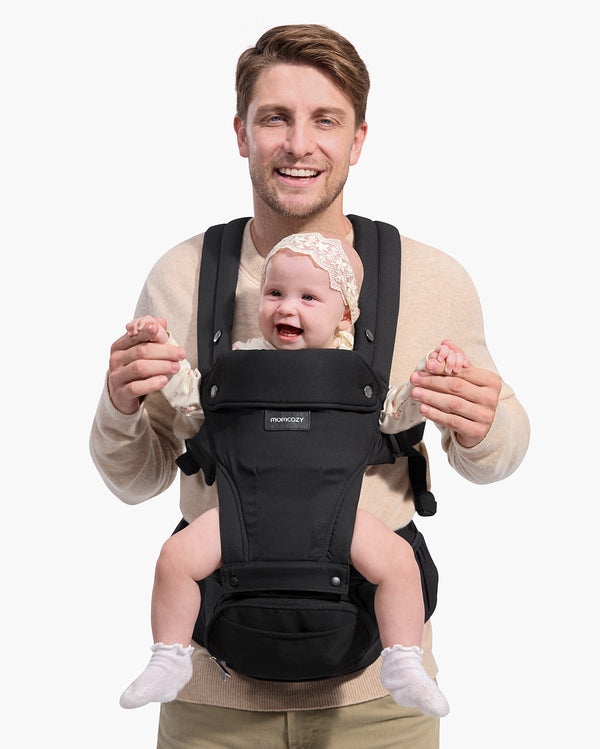


Wee Snug
309,99 zł
Tagline
Łatwe w użyciu, stworzone dla nowych rodziców
Odpowiednie dla
0-12M
Materiał
100% Bawełna
Pasuje dla niemowląt
7–25 lbs/3.2–11.3 kg
Zdrowie Bioder

Ergonomiczne
Certyfikat CPC S


Chusta Elastyczna
Od 179,99 zł
Tagline
Miękkie dla skóry, uwielbiane przez maluchy
Odpowiednie dla
0-12M
Materiał
Oddychająca tkanina siatkowa zapewniająca chłodzenie
Pasuje dla niemowląt
8-35 lbs / 3.6-15.9 kg
Zdrowie Bioder
Ergonomiczne
Certyfikat CPC S


PureHug
Od 255,99 zł
Tagline
Całodzienny komfort przy bezdotykowej opiece nad dzieckiem
Odpowiednie dla
3-24M
Materiał
100% Bawełna
Pasuje dla niemowląt
7–45 lbs/3.2–20.4 kg
Zdrowie Hioder
Ergonomiczne
Certyfikat CPC S


2-in-1 Nosidełko Biodrowe
399,99 zł
Tagline
Najlepsze nosidełko na długie spacery
Odpowiednie dla
0-36M
Materiał
100% Poliester
Pasuje dla niemowląt
7–45 lbs/3.1–20 kg
Zdrowie Bioder
Ergonomiczne
Certyfikat CPC S


Wander 360
Od 245,99 zł
Tagline
Niezbędnik na krótkie wyjścia – do szybkiego podnoszenia i stabilnego siedzenia
Odpowiednie dla
0-36M
Materiał
100% Poliester
Pasuje dla niemowląt
7-45 lbs / 3.2-20.4 kg
Zdrowie Bioder
Ergonomiczne
Certyfikat CPC S


Przenośne Nosidełko
207,99 zł
Tagline
Składa się i zabierz wszędzie
Odpowiednie dla dzieci
3-12M
Materiał
100% Poliester
Pasuje dla niemowląt
12-35 lbs / 5.4-15.9 kg
Zdrowie Bioder
Ergonomiczne
Certyfikat CPC S


