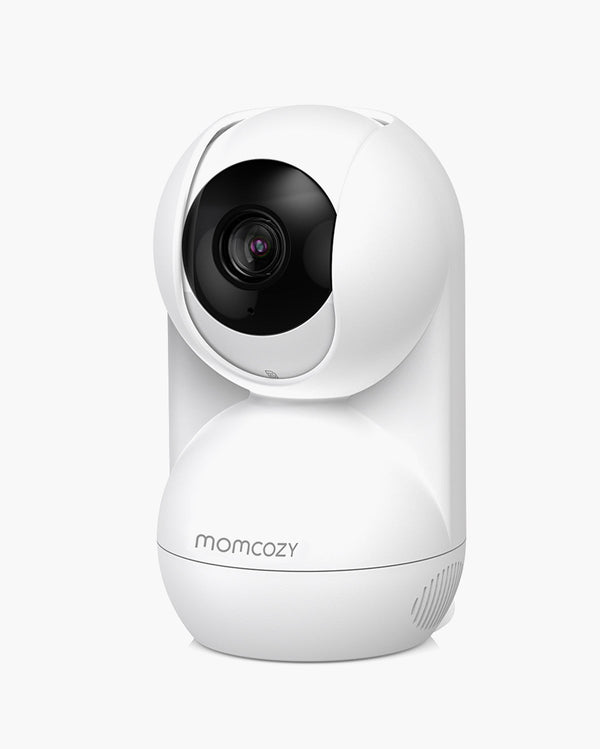
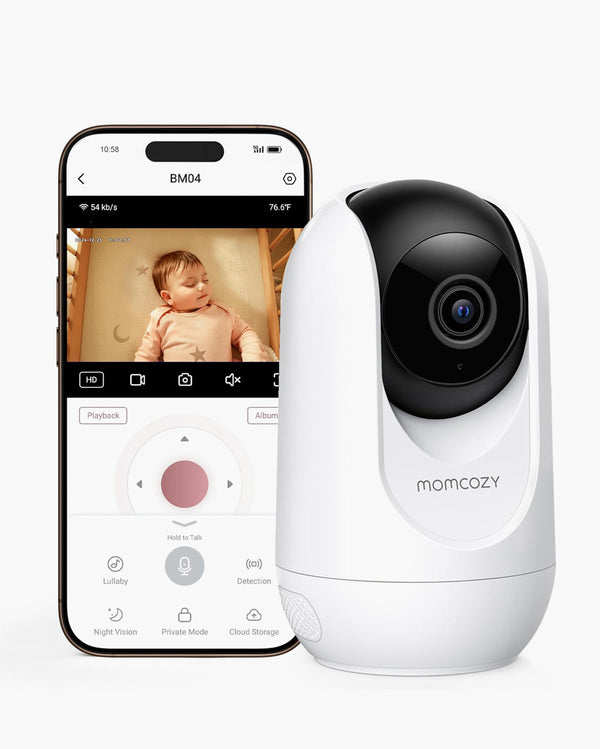
Leżysz w łóżku o 1 w nocy, na wpół śpisz, ale nie potrafisz w pełni się zrelaksować. Nie masz pewności, czy twoje dziecko właśnie się przebudziło, czy wszystko jest w porządku. Bezkontaktowa niania elektroniczna z kamerą daje odpowiedź bez konieczności wstawania z łóżka, łącząc bezpieczny podgląd obrazu z bieżącą analizą oddechu.
Zapewniają one informacje o dynamice oddechu, pracy serca i przydatne statystyki snu, a wszystko to bez dotykania skóry twojego dziecka. Jeśli zastanawiasz się, czy warto w to zainwestować, oto co ta technologia ma do zaoferowania w praktyce.
💡 Kluczowe wnioski
-
Monitorowanie bezdotykowe – Bezkontaktowe nianie elektroniczne wykorzystują radar fal milimetrowych do ciągłego monitorowania oddechu, pracy serca i faz snu bez konieczności bezpośredniego kontaktu ze skórą dziecka.
-
Brak podrażnień i fałszywych alarmów – Brak fizycznych czujników przypinanych do ciała eliminuje ryzyko podrażnień skóry oraz fałszywych alarmów wynikających z przesunięcia się urządzenia podczas nocnego wiercenia się.
-
Inteligentne wsparcie bezpieczeństwa – Modele wsparte sztuczną inteligencją oferują zaawansowane funkcje bezpieczeństwa, w tym wykrywanie zakrycia twarzy, rozpoznawanie płaczu oraz możliwość automatycznego uspokajania dziecka.
-
Raporty snu i ochrona danych – System automatycznie rejestruje i generuje długoterminowe raporty snu, pomagając rodzicom w optymalizacji codziennej rutyny, a bezpieczeństwo danych chronione jest 256-bitowym szyfrowaniem AES.
Czym są bezkontaktowe nianie elektroniczne?
Bezkontaktowa niania elektroniczna czuwa nad dzieckiem bez użycia czujników dotykających skóry, wykorzystując pasywne wykrywanie ruchu z odległości. Zamiast klipsa na pieluszce lub skarpetki na stopie, urządzenia te wykorzystują technologię do pasywnego i ciągłego wykrywania drobnych ruchów fizycznych z odległości.
Jak działa ta technologia
Większość niań bezkontaktowych opiera się na radarze fal milimetrowych. Czujnik wysyła w kierunku twojego dziecka fale radiowe o niskiej mocy i odczytuje odbijające się sygnały. Delikatny ruch klatki piersiowej lub ciała dziecka powoduje wykrywalną zmianę w tym sygnale zwrotnym. Urządzenie w żadnym momencie nie wymaga kontaktu ze skórą.
Urządzenia konsumenckie uległy znacznej poprawie, zapewniając niezawodne działanie do codziennego monitorowania w domu.
Co tak naprawdę śledzą
Nianie bezkontaktowe wykraczają daleko poza to, co może zaoferować standardowy monitor wideo. Dobry system zapewnia dynamikę oddechu, wzorce snu, fazy snu i liczbę przebudzeń w nocy, a wszystko to jest automatycznie rejestrowane podczas snu twojego dziecka. Dane te tworzą bieżącą historię na przestrzeni dni i tygodni, dając ci wyraźniejszy obraz codziennych wzorców snu twojego dziecka w miarę upływu czasu.
Nianie w formie akcesoriów noszonych a bezkontaktowa niania elektroniczna: praktyczne różnice
Nianie dla niemowląt w formie noszonych akcesoriów, w tym klipsy na pieluszkę, skarpetki na kostkę i plastry na klatkę piersiową, były pierwszym konsumenckim podejściem do inteligentnego, codziennego monitorowania w pokoju dziecięcym. Działają, ale codzienne użytkowanie różni się od systemów bezkontaktowych w kwestiach, które mają największe znaczenie o 2 w nocy.
|
Cecha
|
Niania bezkontaktowa
|
Niania w formie akcesoriów do noszenia
|
|
Kontakt ze skórą
|
Brak
|
Bezpośredni, wiele godzin podczas jednej sesji
|
|
Codzienna konfiguracja
|
Jednorazowe umieszczenie
|
Zakładanie/zdejmowanie przy każdym śnie
|
|
Ciągłość danych
|
Nieprzerwana, niezależna od pozycji
|
Może ulec przerwaniu, jeśli urządzenie się przesunie
|
|
Koszt subskrypcji
|
Zazwyczaj brak
|
Często wymagana opłata miesięczna
|
|
Ryzyko fałszywego alarmu
|
Niskie (filtrowane przez AI)
|
Wyższe w przypadku przesunięcia się urządzenia
|
|
Ryzyko podrażnienia skóry
|
Brak
|
Możliwe przy długotrwałym noszeniu
|
Bezkontaktowa niania elektroniczna nie ma klipsa do poprawiania ani baterii do sprawdzania przed drzemką. Urządzenie bezkontaktowa inteligentna niania elektroniczna Momcozy wykorzystuje radar fal milimetrowych do śledzenia wzorców oddychania i snu bez użycia jakichkolwiek urządzeń noszonych. Ponieważ zakup obejmuje wszystkie funkcje monitorowania bez konieczności posiadania subskrypcji, pozwala to uniknąć stałych kosztów, które niektóre marki akcesoriów noszonych wliczają w swój model biznesowy.
Jedną rzeczą, która często zaskakuje rodziców, jest to, jak dobrze systemy bezkontaktowe radzą sobie z ruchem. Kiedy dziecko się przewraca, akcesorium do noszenia może się przesunąć i przestać dokładnie rejestrować dane. System oparty na radarze nadal dokonuje odczytów, ponieważ śledzi ruchy całego ciała, a nie polega na stałym punkcie styku ze skórą.
Bezkontaktowe nianie elektroniczne wymagają wyraźnej linii widzenia czujnika do łóżeczka w stałym miejscu. Jeśli takie ustawienie sprawdzi się w układzie twojego pokoju dziecięcego, codzienna rutyna stanie się zauważalnie prostsza w porównaniu do obsługi urządzenia noszonego.
Dlaczego bezkontaktowe nianie elektroniczne są warte inwestycji
Dla rodziców przechodzących z podstawowej niani wideo, dodatkowe koszty pokrywają alerty bezpieczeństwa, lepszą jakość obrazu i niezawodność połączenia. Każdy z tych elementów jest znacznie lepszy w dobrze zaprojektowanym systemie bezkontaktowym.
Wykrywanie zasłonięcia twarzy
Najbardziej wartościowym inteligentnym powiadomieniem dla noworodków jest wykrywanie zakrycia twarzy. Jeśli kocyk wydaje się zakrywać nos i usta twojego dziecka, niektóre nianie z analizą obrazu opartą na sztucznej inteligencji (AI) mogą to wykryć i wysłać ostrzeżenie.
Oto jak wygląda skuteczne działanie funkcji powiadamiania o zakryciu twarzy:
-
System filtruje rutynowe ruchy, dzięki czemu nie budzisz się przy każdej drobnej zmianie pozycji.
-
Powiadomienia powtarzają się co minutę, dopóki nieoczekiwany stan nadal występuje.
-
Wysoka niezawodność powiadomień oznacza, że aktualizacje, które otrzymujesz, są warte twojej reakcji.
Wykrywanie płaczu i automatyczne uspokajanie
Wykrywanie płaczu to druga warstwa bezpieczeństwa i komfortu. Nianie, które używają rozpoznawania głosu przez AI, odróżniają prawdziwy płacz od hałasu w tle, zamykających się drzwi, rodzeństwa w sąsiednim pokoju lub białego szumu odbijającego się od ściany. System zaprojektowany do rozpoznawania płaczu może również uruchomić automatyczną reakcję uspokajającą, taką jak wbudowany biały szum, zanim płacz przybierze na sile. Może to zmniejszyć częstotliwość, z jaką musisz zaglądać do pokoju.
Jakość wideo i tryb nocny
Niania elektroniczna używana w ciemnym pokoju dziecięcym wymaga wysokiej wydajności w słabym oświetleniu. Szukaj rozdzielczości 2K, która jest znacznie ostrzejsza niż standardowe 1080p, oraz widzenia w podczerwieni 940 nm. Ta długość fali jest niewidoczna dla ludzkiego oka, więc nie zakłóci snu twojego dziecka w sposób, w jaki mogą to zrobić niektóre starsze nianie z widocznymi czerwonymi diodami LED.
Stabilność połączenia
Niania elektroniczna jest przydatna tylko wtedy, gdy pozostaje połączona przez całą noc. Dwuzakresowe Wi-Fi (2.4 GHz i 5 GHz) obsługuje szerszy zakres warunków sieci domowej. Niektóre nianie obejmują również dedykowane połączenie lokalne (oddzielne od Wi-Fi), co zapewnia większą niezawodność w większych domach lub w konfiguracjach wielopiętrowych.
Jak śledzenie snu zmienia twoją codzienną rutynę
Jedną z najbardziej niedocenianych korzyści bezkontaktowej niani elektronicznej jest to, co dzieje się z danymi w miarę upływu czasu. Każda noc uzupełnia obraz, który pomaga ci podejmować lepsze decyzje, a nie tylko przetrwać noc.
Co jest śledzone każdej nocy
Niania automatycznie rejestruje, kiedy twoje dziecko zasypia, jak długo pozostaje w fazie lekkiego i głębokiego snu oraz ile razy się budzi. Aplikacja nie wymaga ręcznego wprowadzania danych i buduje bieżącą historię na przestrzeni dni i tygodni.
Jak wykorzystać te dane w praktyce
Jeśli liczba nocnych przebudzeń wzrasta, możesz sprawdzić, czy zbiega się to ze skokiem rozwojowym, zmianą harmonogramu karmienia lub zmianą temperatury w pomieszczeniu. Jeśli pracujesz nad rutyną usypiania, linia trendu pokaże ci, czy faktycznie przynosi to rezultaty.
Rodzice noworodków często czują, że noce są nieprzewidywalne częściowo dlatego, że nie mają danych, na których mogliby się opierać. Historia snu z niani daje ci coś konkretnego, na czym możesz bazować. Przydaje się ona również podczas wizyty u pediatry, kiedy chcesz pokazać, co dokładnie dzieje się w nocy.
Wśród najlepszych niań elektronicznych dostępnych obecnie na rynku, te, które automatycznie rejestrują fazy snu, są najbardziej przydatne do budowania tego długoterminowego obrazu. Bezkontaktowa inteligentna niania elektroniczna Momcozy generuje nocny zapis snu w powiązanej aplikacji, w tym fazy lekkiego snu, głębokiego snu i zdarzenia związane z wybudzeniem, a także dane o trendach gromadzone na przestrzeni tygodni.
Znaczenie prywatności w inteligentnych nianiach
Każde urządzenie, które przesyła strumieniowo wideo i dźwięk z wnętrza twojego domu, zasługuje na poważną uwagę pod kątem bezpieczeństwa danych. Nianie elektroniczne to kategoria, w której ma to szczególne znaczenie.
Szyfrowanie i bezpieczeństwo danych
Niania przesyłająca wideo na żywo z pokoju twojego dziecka powinna korzystać z szyfrowania typu end-to-end. Szukaj 256-bitowego szyfrowania AES, które chroni transmisję między kamerą a twoim autoryzowanym urządzeniem. Warto również mieć tryb prywatności, który natychmiast wyłącza kamerę i mikrofon, dzięki czemu zachowujesz kontrolę nad tym, kiedy urządzenie jest aktywne. Obsługa pamięci lokalnej pozwala na przechowywanie danych na urządzeniu, a nie na zdalnym serwerze, co jest preferowane przez niektóre rodziny.
Udostępnianie konta i kontrola uprawnień
Jeśli dostęp musi mieć kilku opiekunów, sprawdź, czy niania obsługuje wielu użytkowników z osobnymi poziomami uprawnień. Z pewnością zależy ci na tym, aby główny opiekun kontrolował ustawienia, podczas gdy inni użytkownicy mogą jedynie obserwować bez możliwości wprowadzania zmian. Dziadkowie, niania lub podróżujący rodzic mogą mieć dostęp na odpowiednim poziomie bez konieczności udostępniania haseł lub stwarzania luk w bezpieczeństwie.
Czy twoja niania nadąży za rosnącym dzieckiem?
Inteligentna niania pozostaje przydatna przez pierwsze lata życia dziecka dzięki kamerze 2K, funkcji wykrywania płaczu oraz elastycznej mobilności. Potrzebujesz monitorowania nie tylko dla noworodka, ale i starszego malucha, co czyni z niej opłacalną inwestycję długoterminową.
Co pozostaje przydatne wraz z upływem czasu
System wykrywania bezpieczeństwa AI jest często uważany za najbardziej przydatny we wczesnym etapie noworodkowym. Jednak wideo 2K, wykrywanie płaczu, śledzenie snu i alerty o zasłonięciu twarzy nadal spełniają swoją funkcję przez pierwszy rok życia, a nawet dłużej. System, który dobrze sprawdza się w łóżeczku, sprawdzi się równie dobrze w łóżku dla starszego dziecka.
Przenośność i elastyczność konfiguracji
Niania, którą możesz przenieść w kilka minut, jest bardziej przydatna niż ta, która wymaga montażu na ścianie. Przenośny stojak, który nie wymaga narzędzi instalacyjnych, zapewnia elastyczność w wielu pomieszczeniach i podróżuje z tobą, gdy jesteś poza domem. Konfiguracja zajmuje kilka minut, co ma znaczenie dla rodziców, którzy nie chcą tracić czasu na rozwiązywanie problemów ze sprzętem w i tak bardzo pracowitym okresie.
Ponieważ wszystkie funkcje otrzymujesz przy zakupie bez stałych kosztów, wartość niani w przeliczeniu na miesiąc rośnie wraz z długością jej użytkowania. Niania, na której polegasz przez dwa lata, kosztuje cię miesięcznie o połowę mniej niż ta, którą wymieniasz po dwunastu miesiącach.
Gotowi na spokojny sen tej nocy?
Bezkontaktowe nianie elektroniczne zasługują na swoje miejsce w pokoju dziecięcym, gdy potrzebujesz czegoś więcej niż tylko obrazu z kamery. Dane dotyczące oddychania, wzorce snu, fazy snu, alerty bezpieczeństwa i solidny tryb nocny – wszystko to działa pasywnie, podczas gdy twoja rodzina odpoczywa. Żadnych akcesoriów do noszenia, żadnej subskrypcji do opłacania. Możesz sprawdzić, jak to wygląda, wybierając bezkontaktową inteligentną nanię elektroniczną Momcozy.
Często zadawane pytania dotyczące bezkontaktowych niań elektronicznych
P1: Czy bezkontaktowe nianie elektroniczne faktycznie działają?
Bezkontaktowe nianie elektroniczne działają skutecznie dzięki radarowi fal milimetrowych, który wykrywa subtelne ruchy oddechowe i wzorce snu bez kontaktu ze skórą. Urządzenia konsumenckie uległy znacznej poprawie, zapewniając niezawodne całonocne monitorowanie i spokój ducha bez konieczności używania akcesoriów do noszenia. Ważna uwaga: Model BM08 nie jest wyrobem medycznym. Został zaprojektowany z myślą o codziennym wsparciu w monitorowaniu i nie zastępuje profesjonalnej porady medycznej.
P2: Czy bezkontaktowe nianie elektroniczne są bezpieczne dla noworodków?
Bezkontaktowe nianie elektroniczne są całkowicie bezpieczne dla noworodków, ponieważ korzystają z fal radiowych o niskiej mocy i nie dotykają skóry. Zmniejsza to ryzyko podrażnienia skóry, reakcji alergicznej lub zaplątania, które są realnymi problemami w przypadku urządzeń noszonych bezpośrednio na skórze noworodka przez wiele godzin.
P3: Czym różni się niania bezkontaktowa od zwykłej niani elektronicznej?
Niania bezkontaktowa różni się od zwykłej niani analizą oddechu, faz snu i ostrzeżeniami AI o zakryciu twarzy. Standardowa niania elektroniczna zapewnia ci podgląd wideo i dźwięk na żywo, podczas gdy wersja bezkontaktowa generuje historyczne dane dotyczące snu i wysyła inteligentne powiadomienia, na przykład gdy twarz dziecka zostanie zasłonięta.
P4: Czy bezkontaktowe nianie elektroniczne wymagają subskrypcji?
Wymóg subskrypcji zależy od producenta, jednak urządzenia Momcozy oferują pełną funkcjonalność bez opłat abonamentowych. Niektóre marki pobierają miesięczne opłaty za dostęp do danych dotyczących snu lub historii alertów. Przed podjęciem decyzji sprawdź, które funkcje są płatne, i uwzględnij ten koszt w budżecie.
P5: W jakim wieku można przestać używać bezkontaktowej niani elektronicznej?
Większość rodziców intensywnie korzysta ze śledzenia oddechu przez pierwsze 6 miesięcy, lecz funkcja wideo służy przez cały okres poniemowlęcy. Przenośna niania, którą można przemieszczać między pokojami i zabierać w podróż, będzie spełniać swoją funkcję długo po zakończeniu okresu niemowlęcego.